JESUIT CAMPUS MASTER PLAN DESIGN
Kajiado, Kenya, Partner: Ziyi Jia, Advisor: Ann Pendleton-Jullian
The county of Kajiado sits at the southern edge of the former Rift Valley province, about 80km from the Kenyan capital Nairobi.
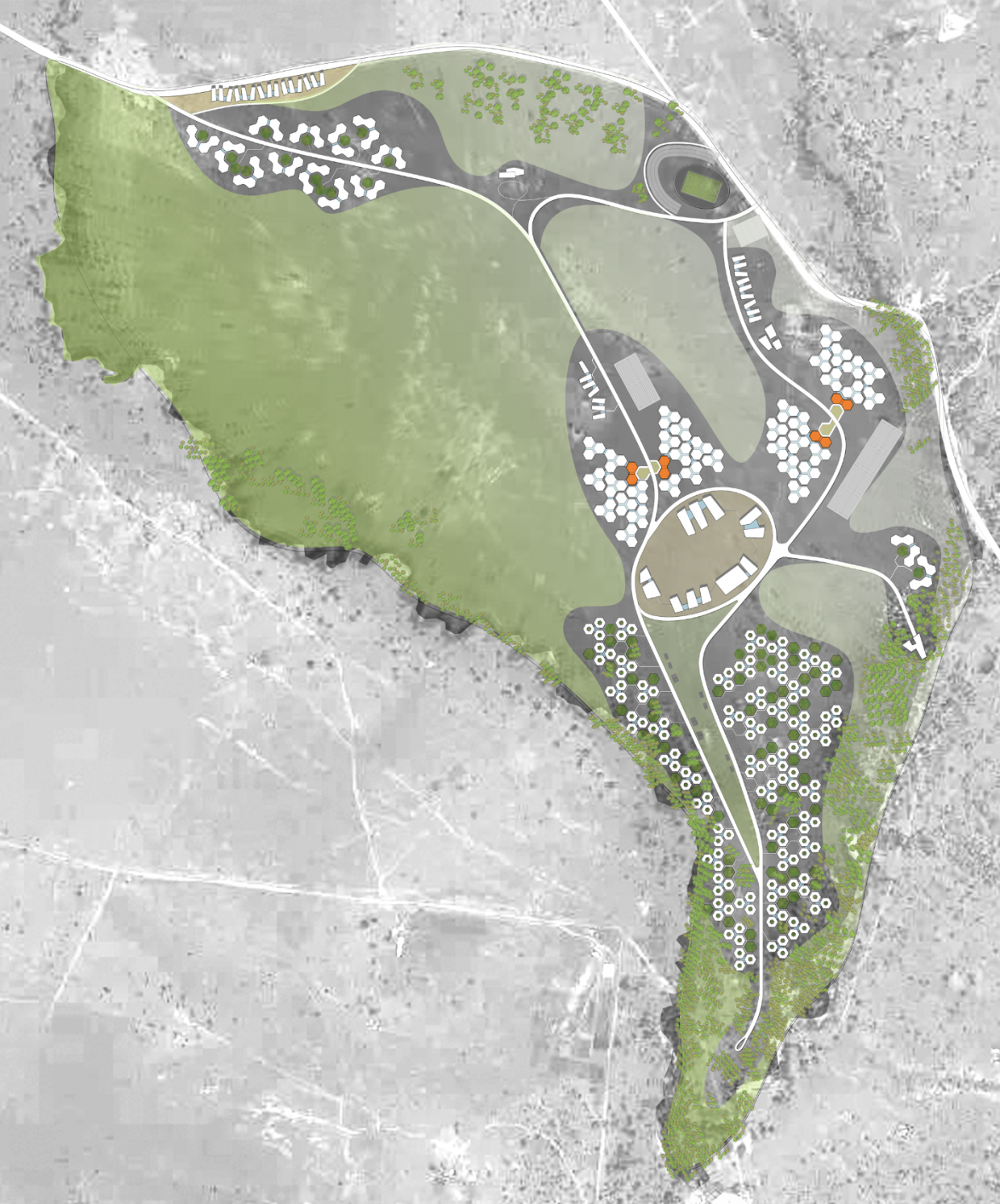
Kenya with its rich history, unique culture, political situation and also as a developing country, is a complex society, therefore an extremely challenging destination to design for. In such complexity, the day to day design approaches to buildings are not sufficient. The design should answer the needs of a dynamic society with complex cultural, social, financial and political problems.
The idea of emergence is the key answer here. Emergence accepts the society as a complex dynamic ecosystem and tries to solve its problems through asking simple questions and setting up simple rules and steps to answer to its problems.
In today’s constantly changing world due to the developing technology, traditional education systems cannot answer the new needs of the students. However, the problem becomes more challenging when technology meets the traditional culture of Kenya.
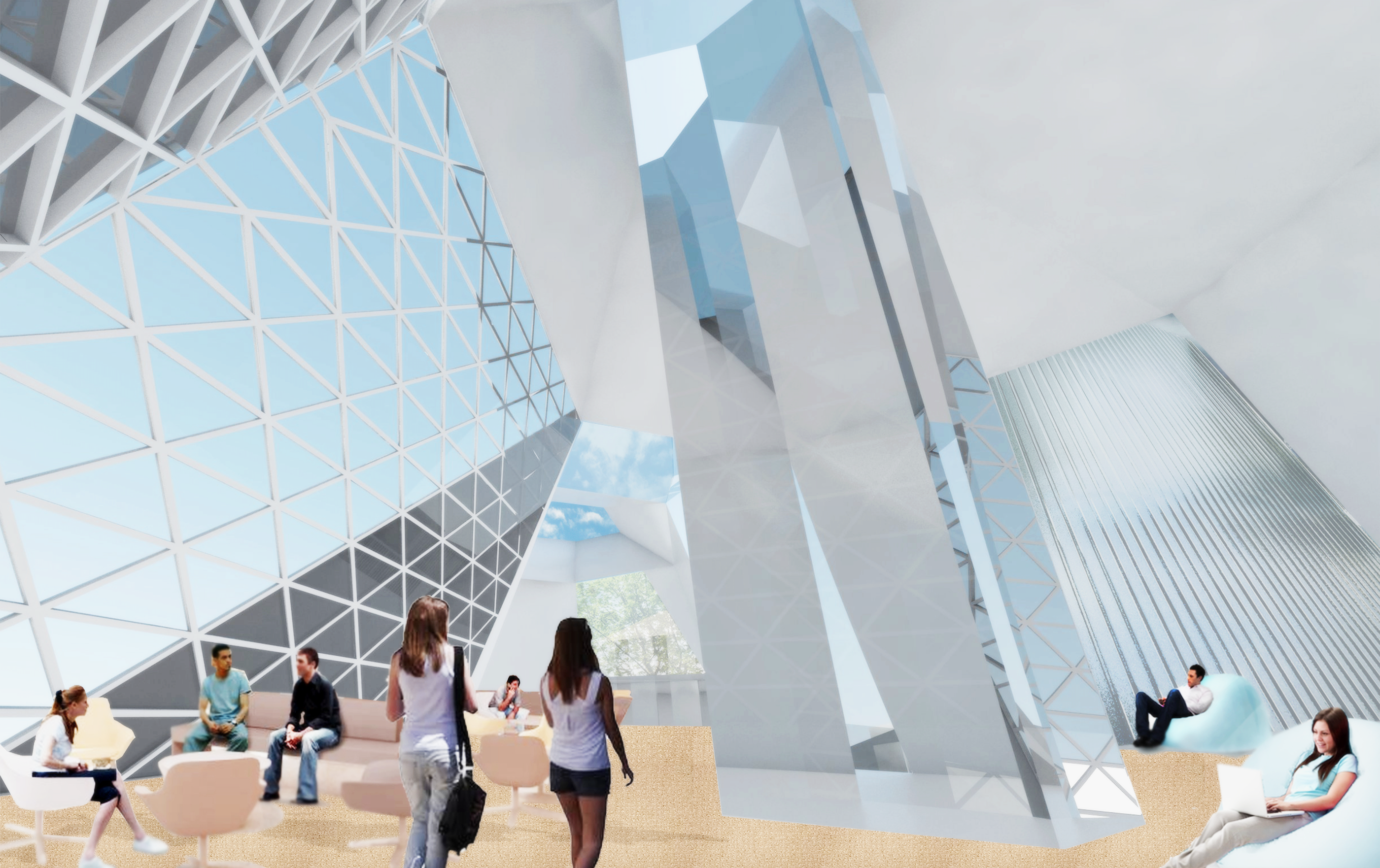
A feasible example of where technology meets culture and identity is the small devices we use daily. The smartphone. Smartphone is where the complex technology and the individual’s identity interact and come together. Every smartphone is the same but it is easily customizable and reflects its owner’s identity based on the apps the owner adds to her or his smartphone’s interface. Today’s educational campus should act similar to a customizable smartphone, flexible enough to be able to change and adapt itself with the new unexpected and rising needs of the society and smart enough to follow necessary rules and regulations to develop into a cohesive ecosystem following the idea of emergence.
Rules we followed in our design:
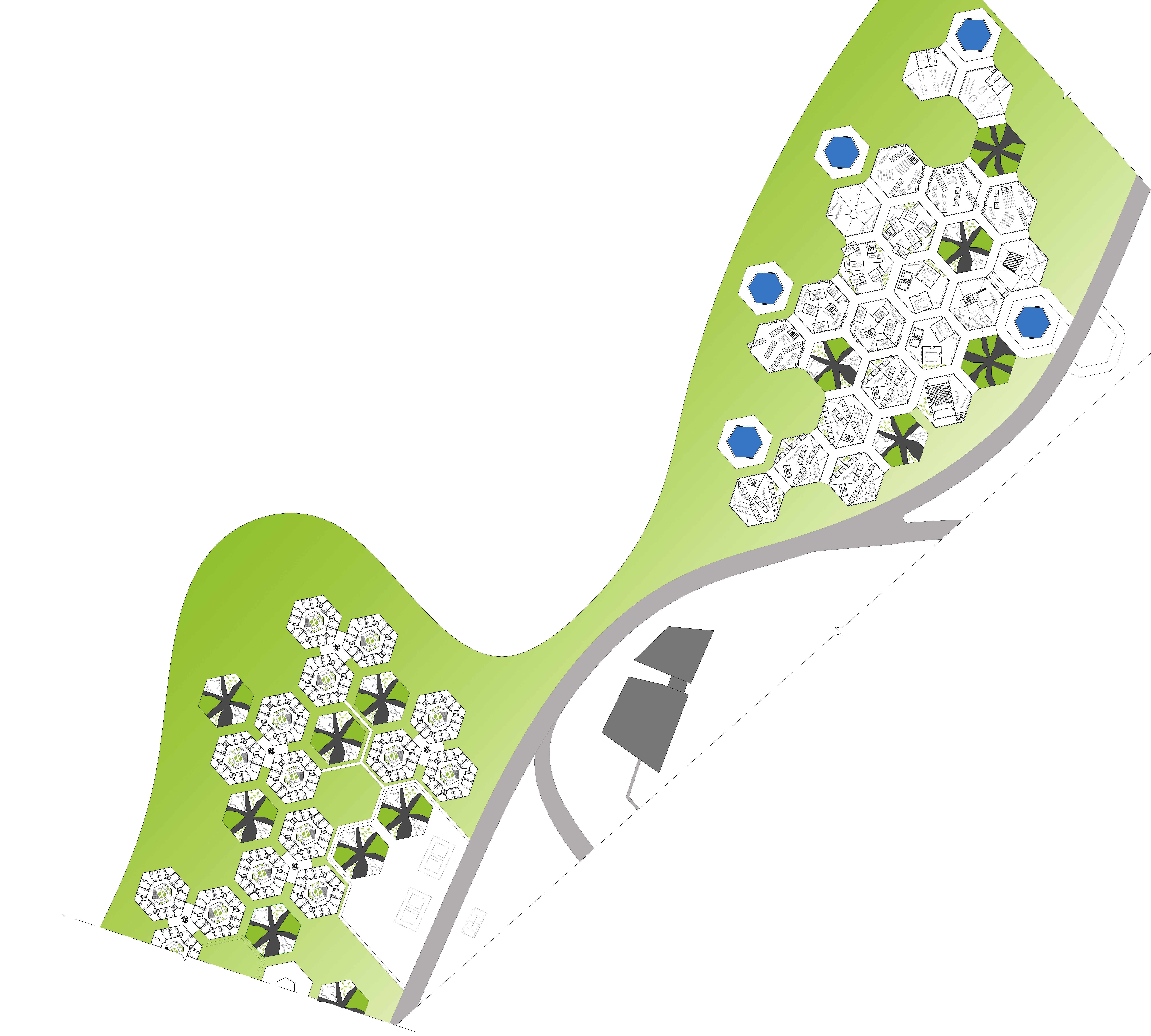
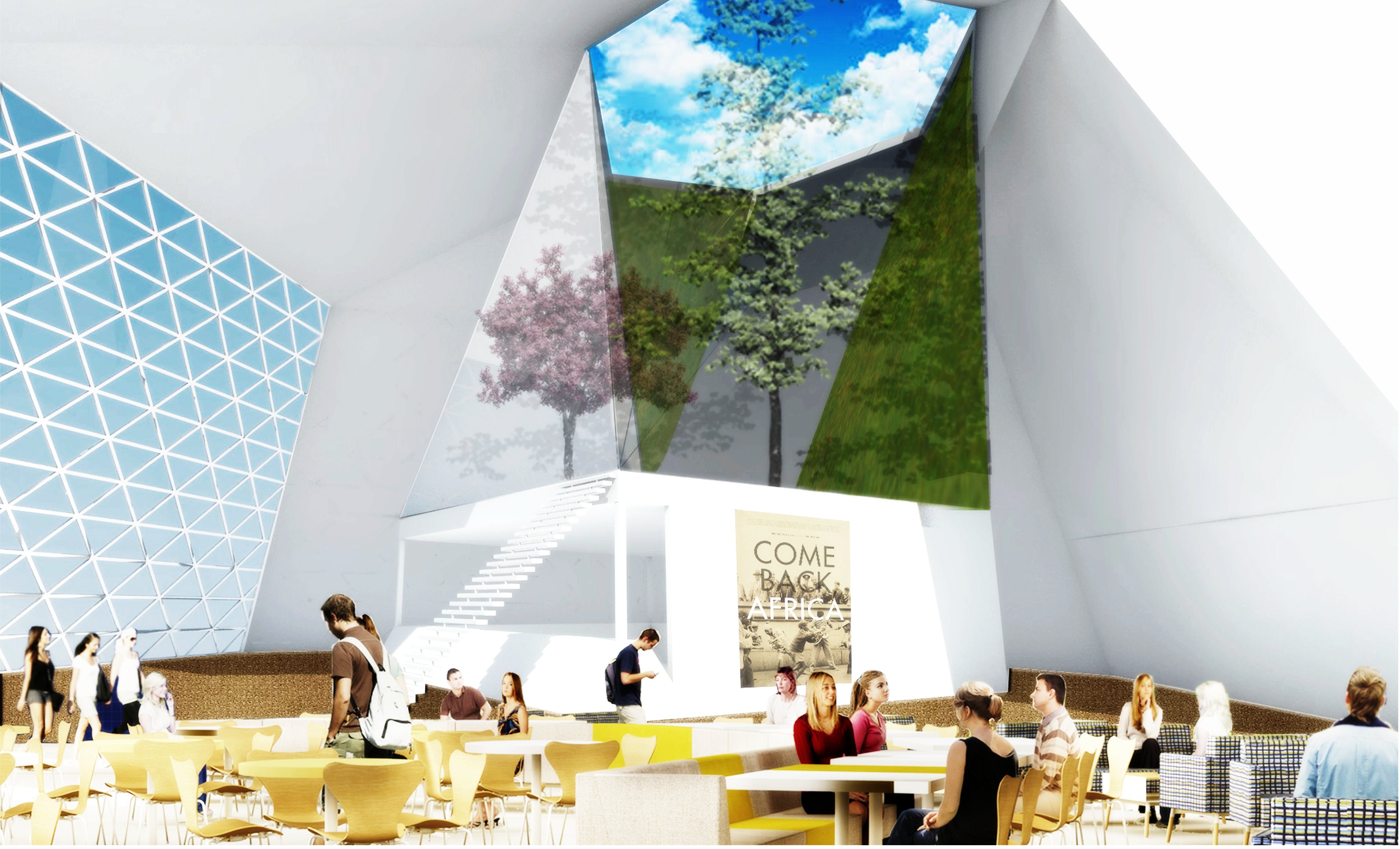
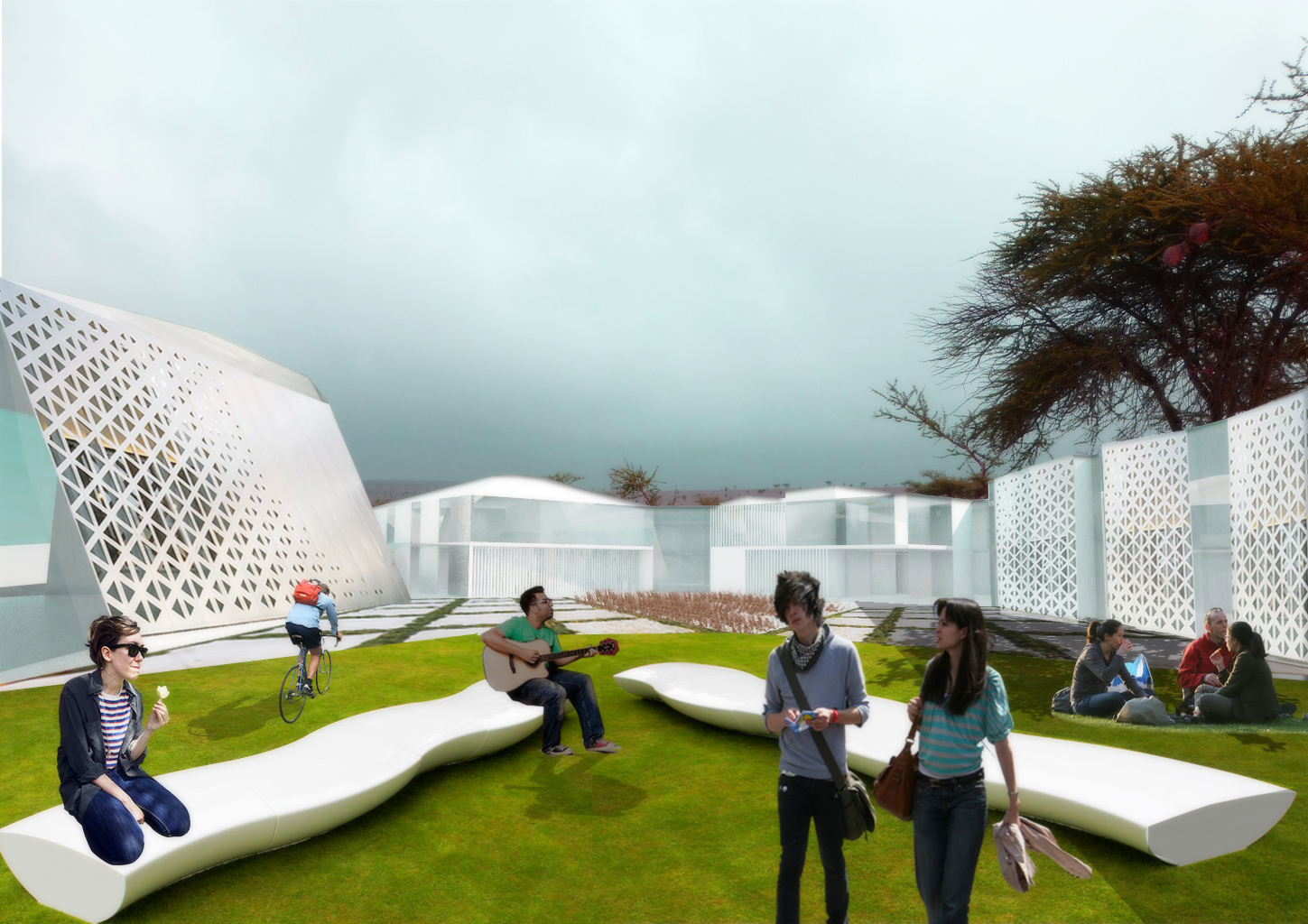
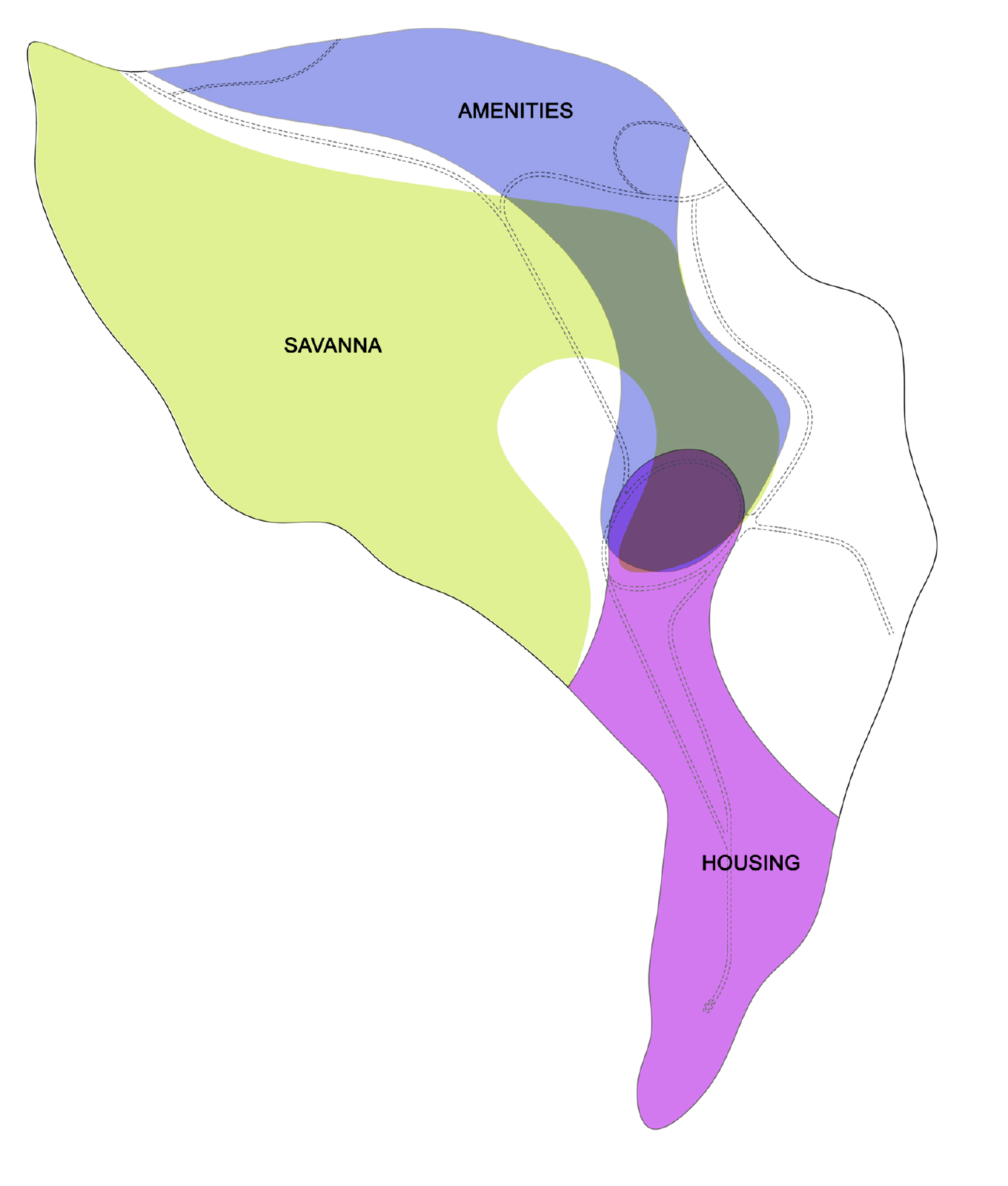
Rule 1: Preserve the landscape and Savanna as much as possible and invite the nature to the center of campus.
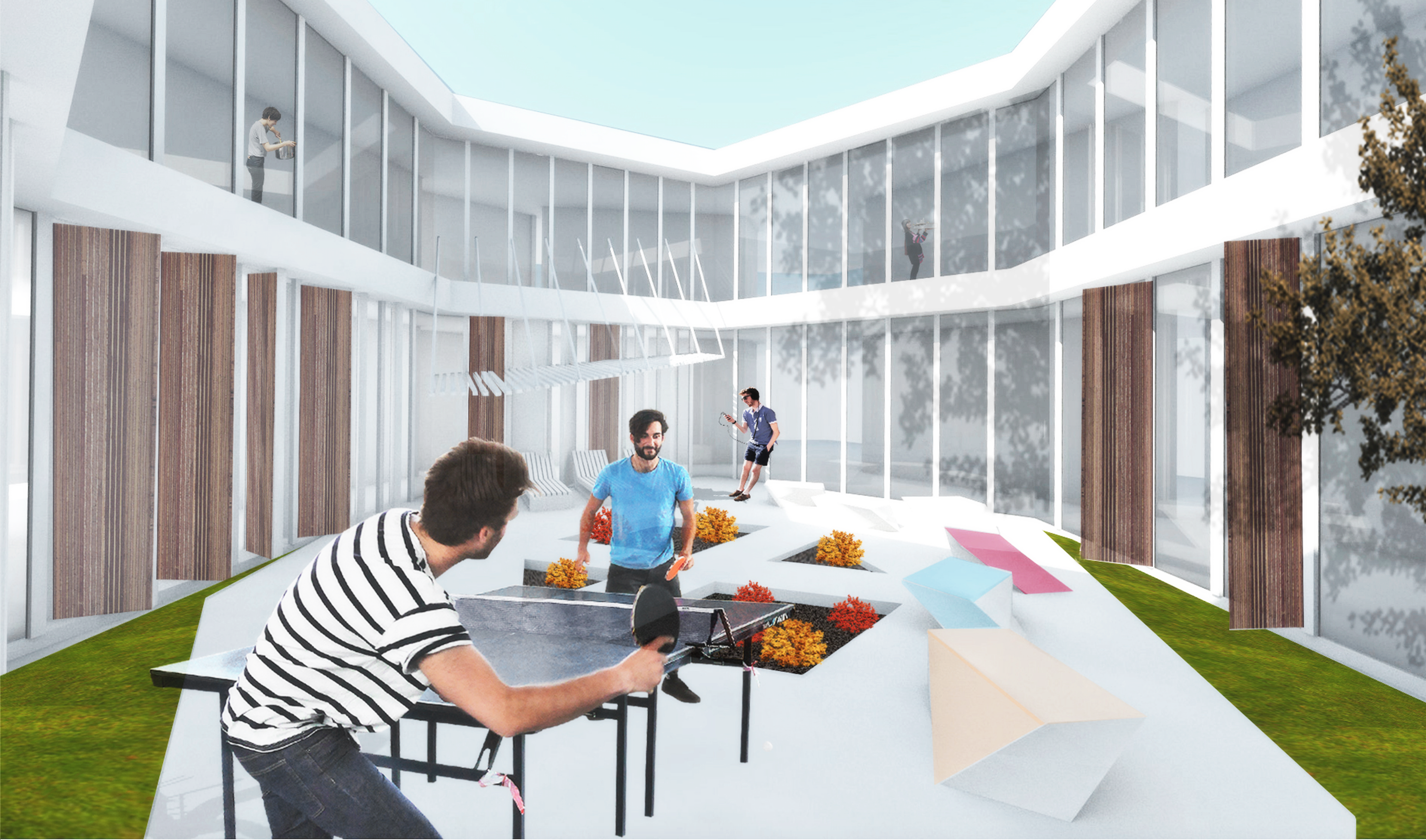
Rule 2: Insure the security of the students by programing the general amenities close to the main roads and the housing in the heart of the site. Take advantage of the savanna to create invisible borders to help secure the campus.

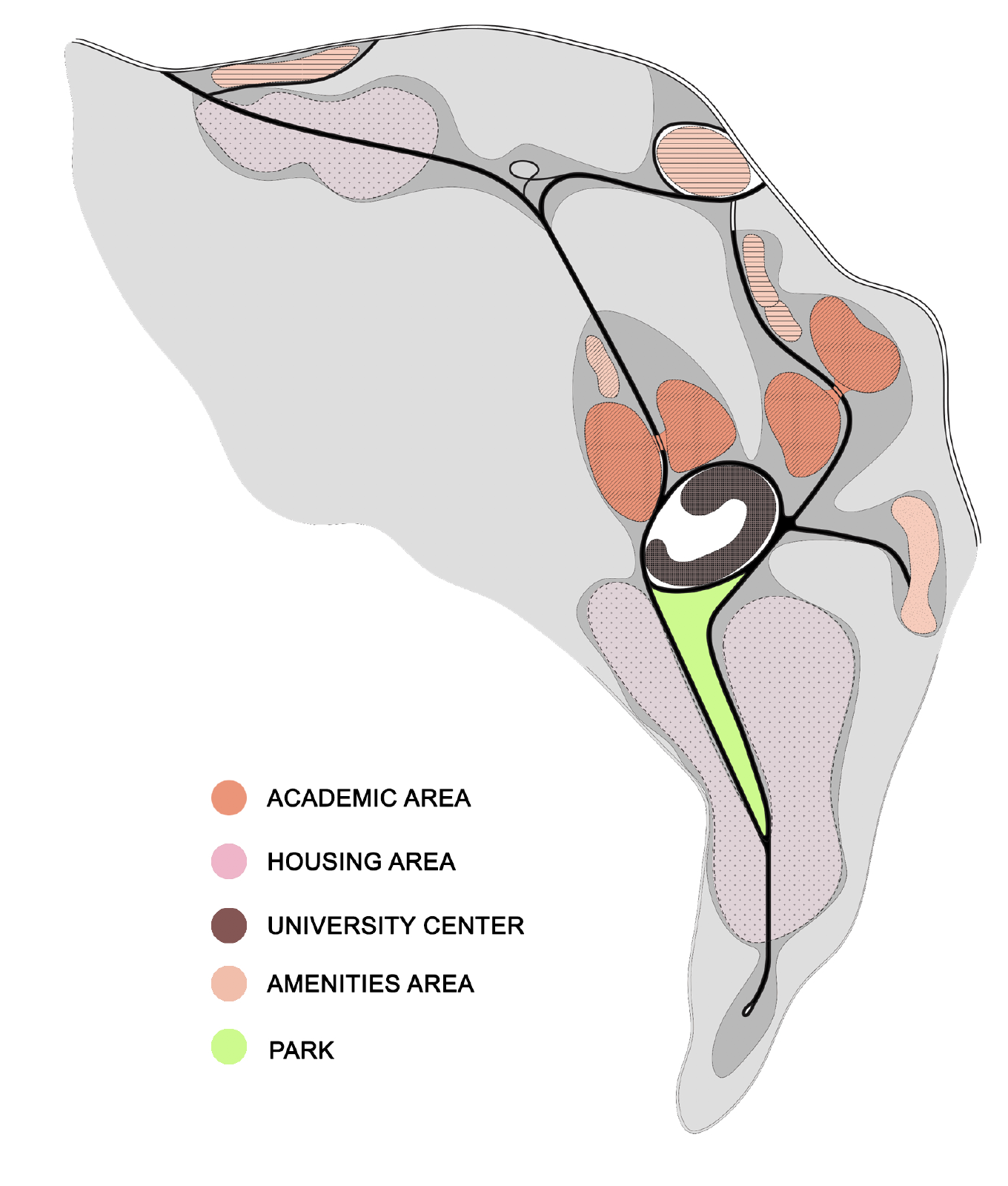
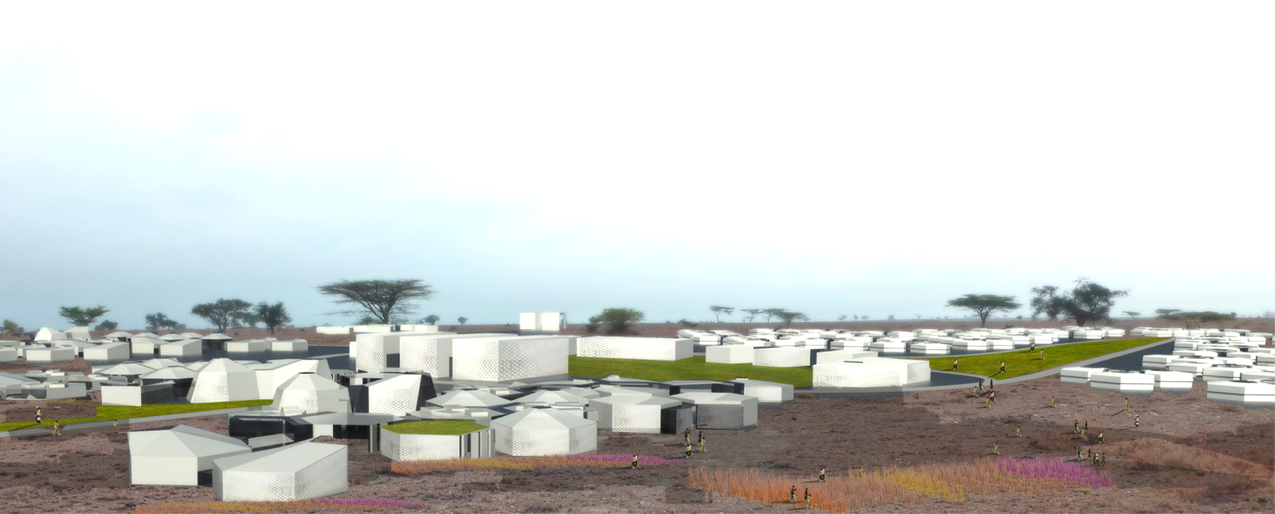
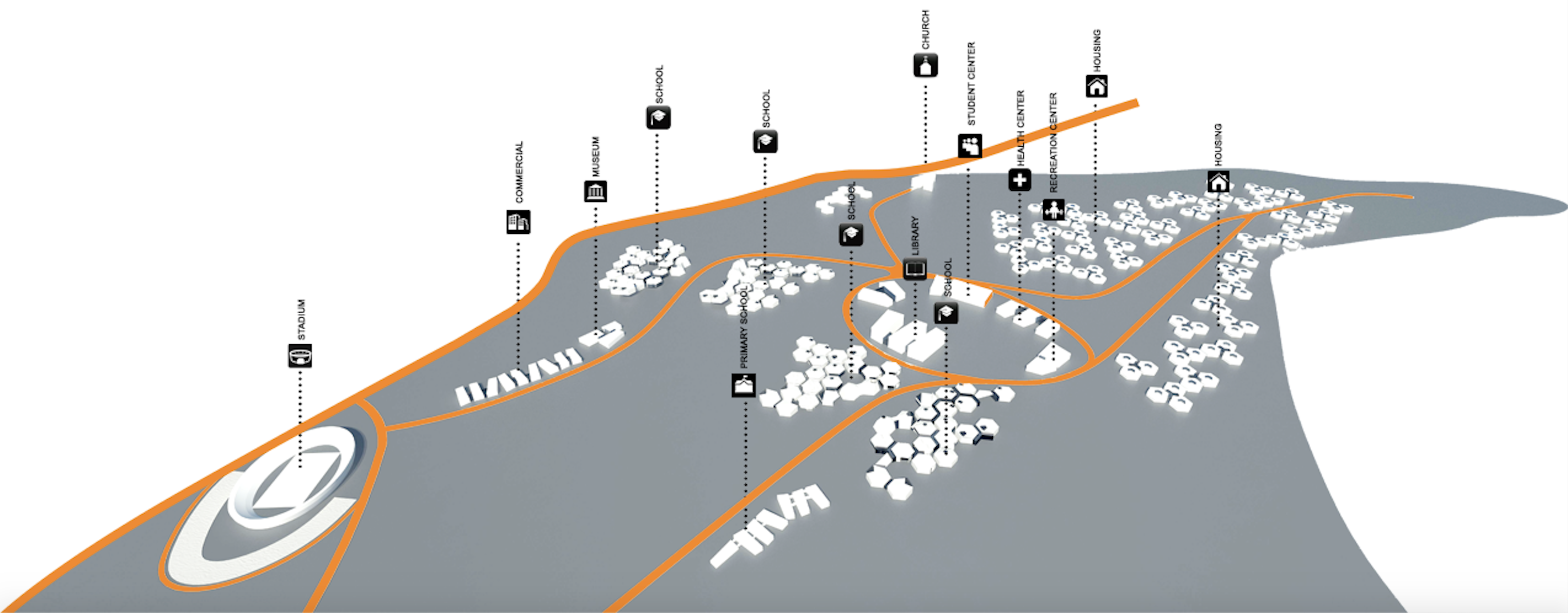
Rule 3: Design the spaces as customizable modules to create certain applications and repeat as required.
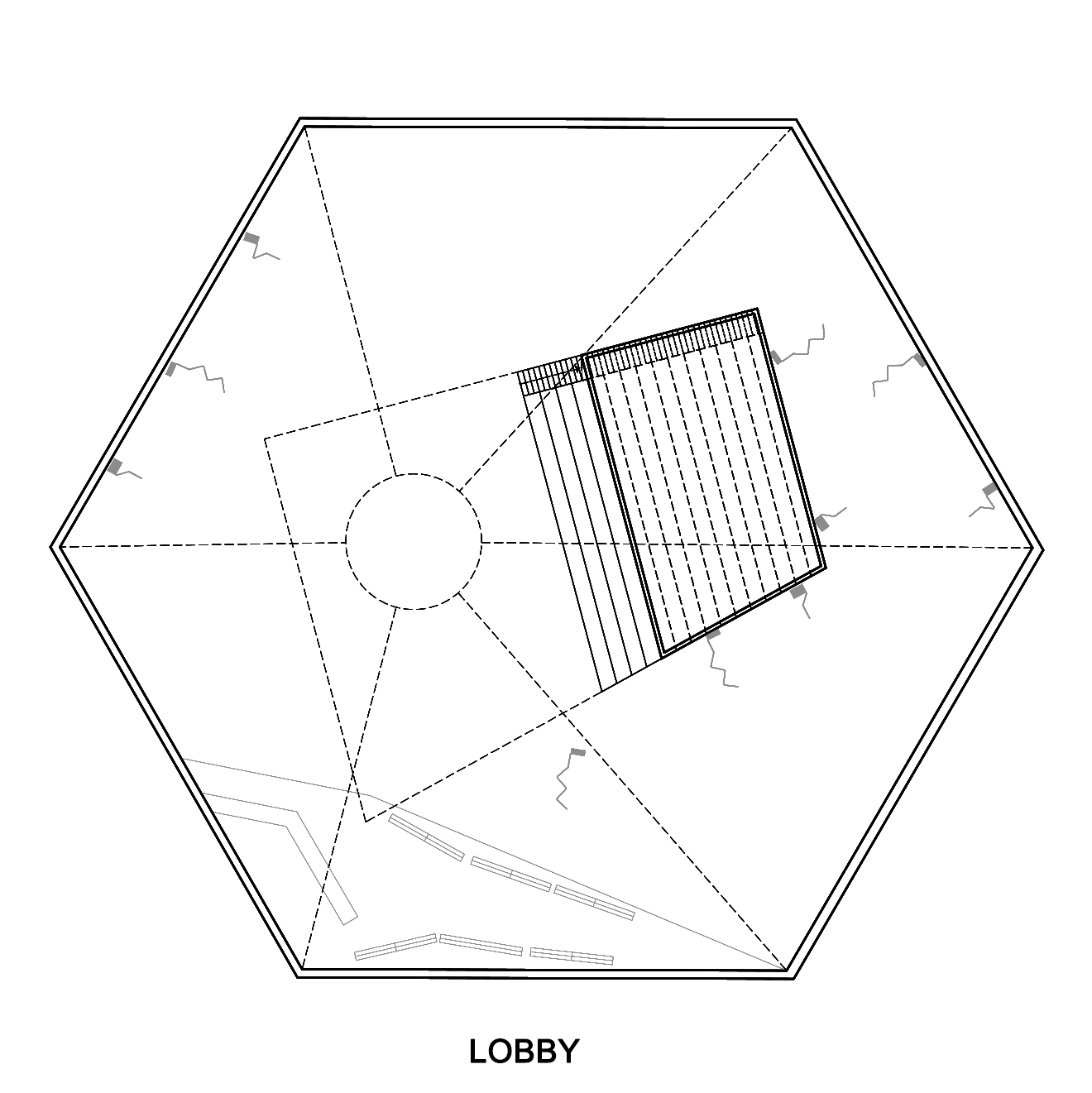
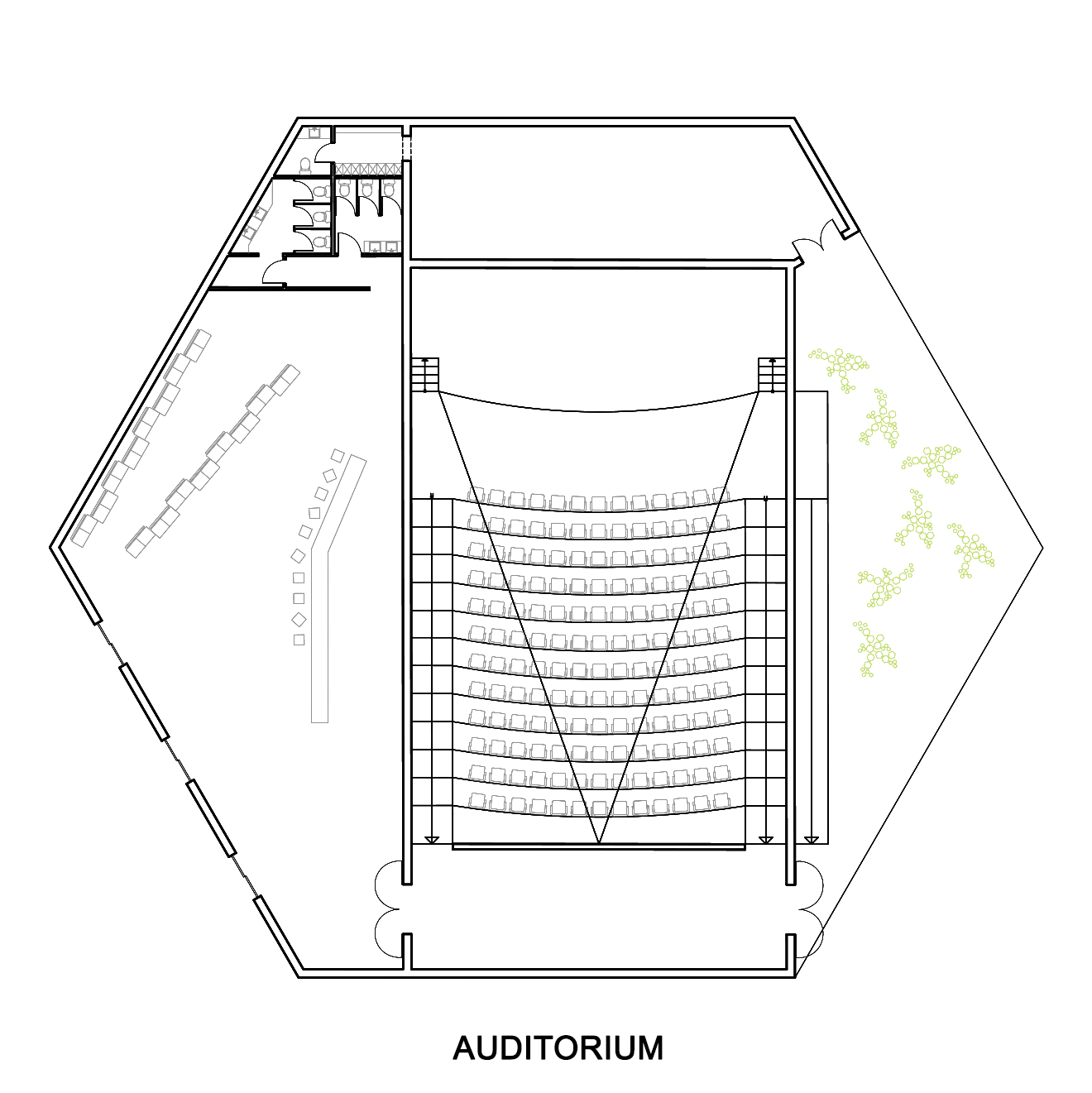
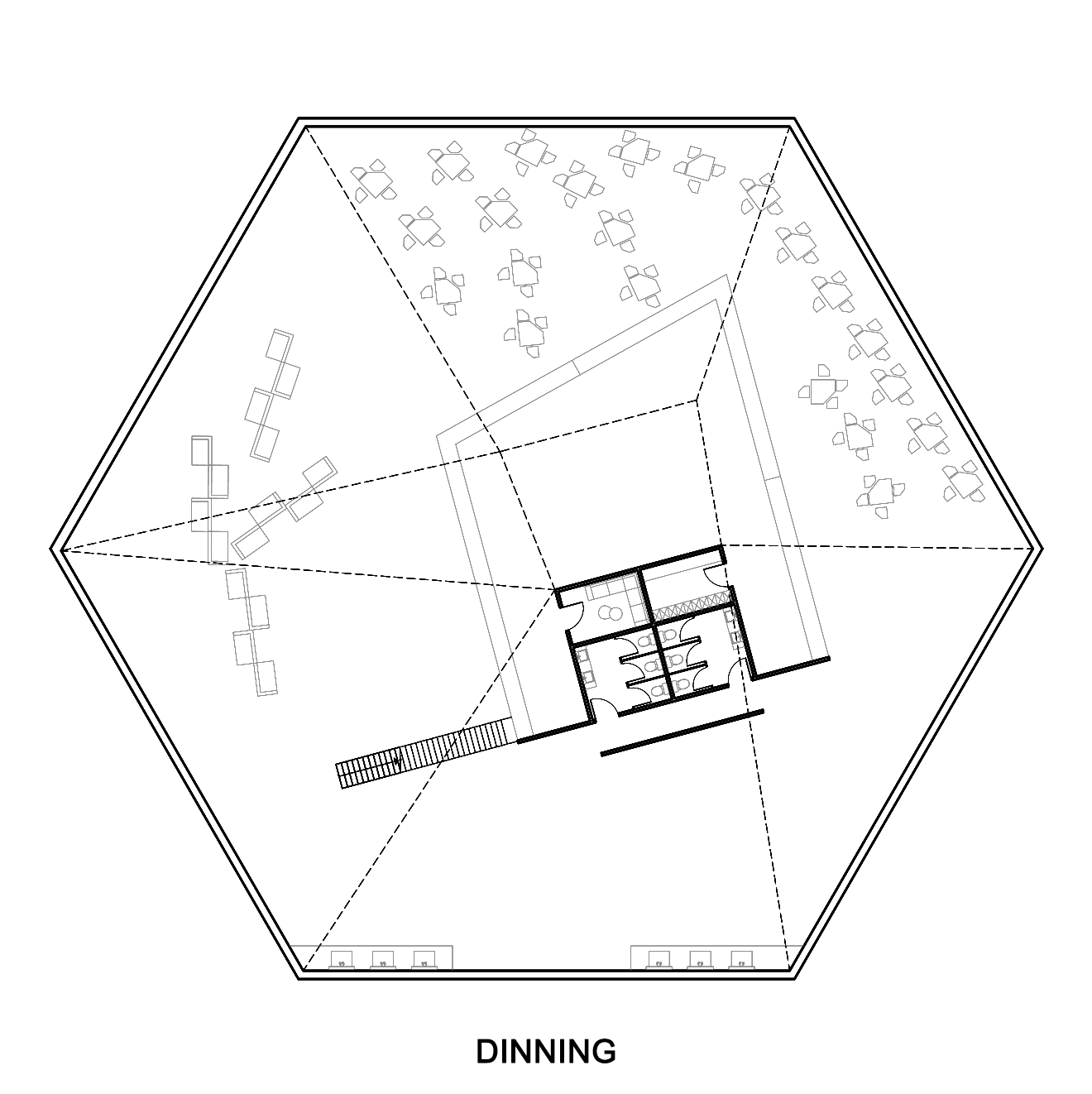
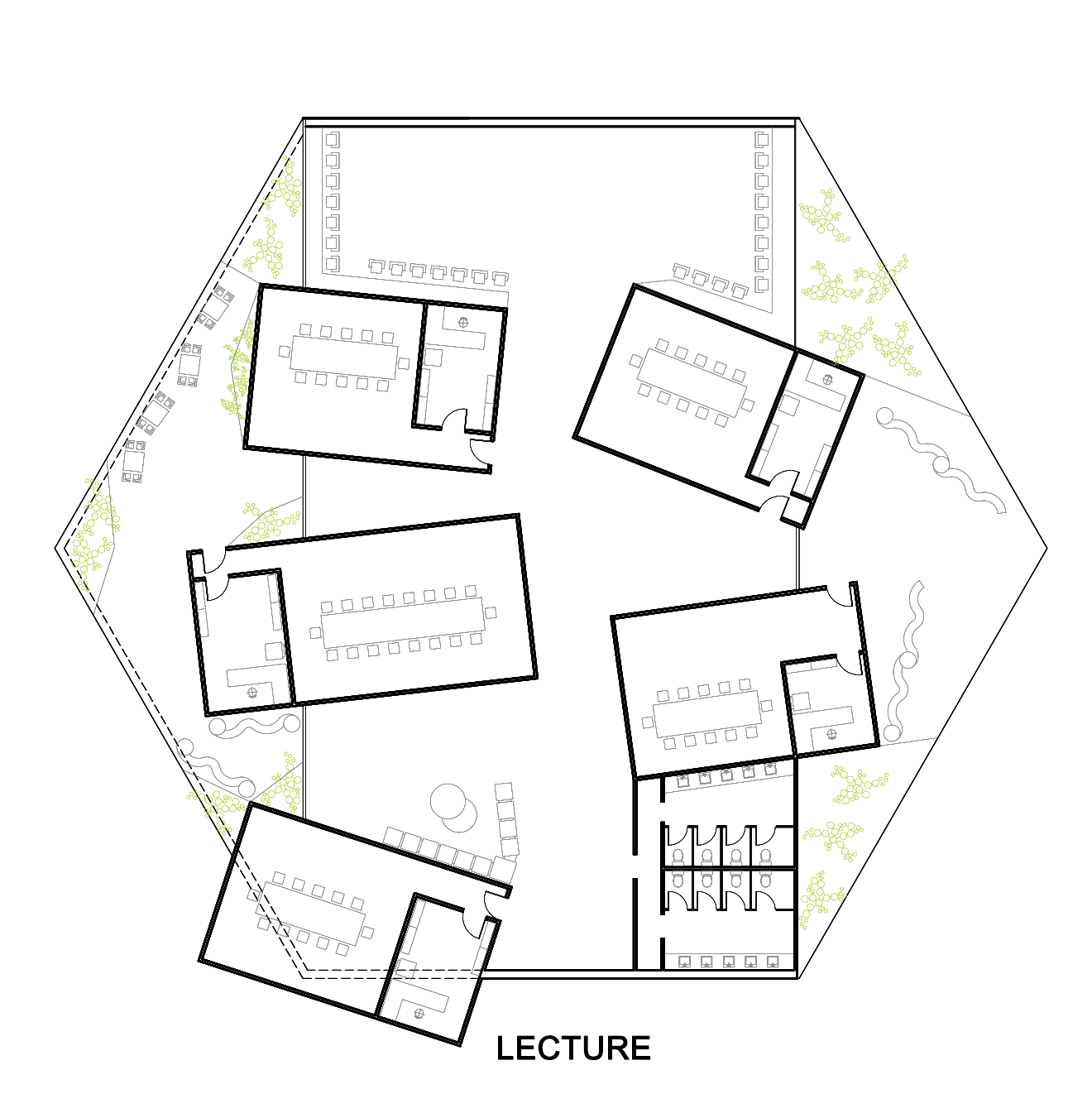
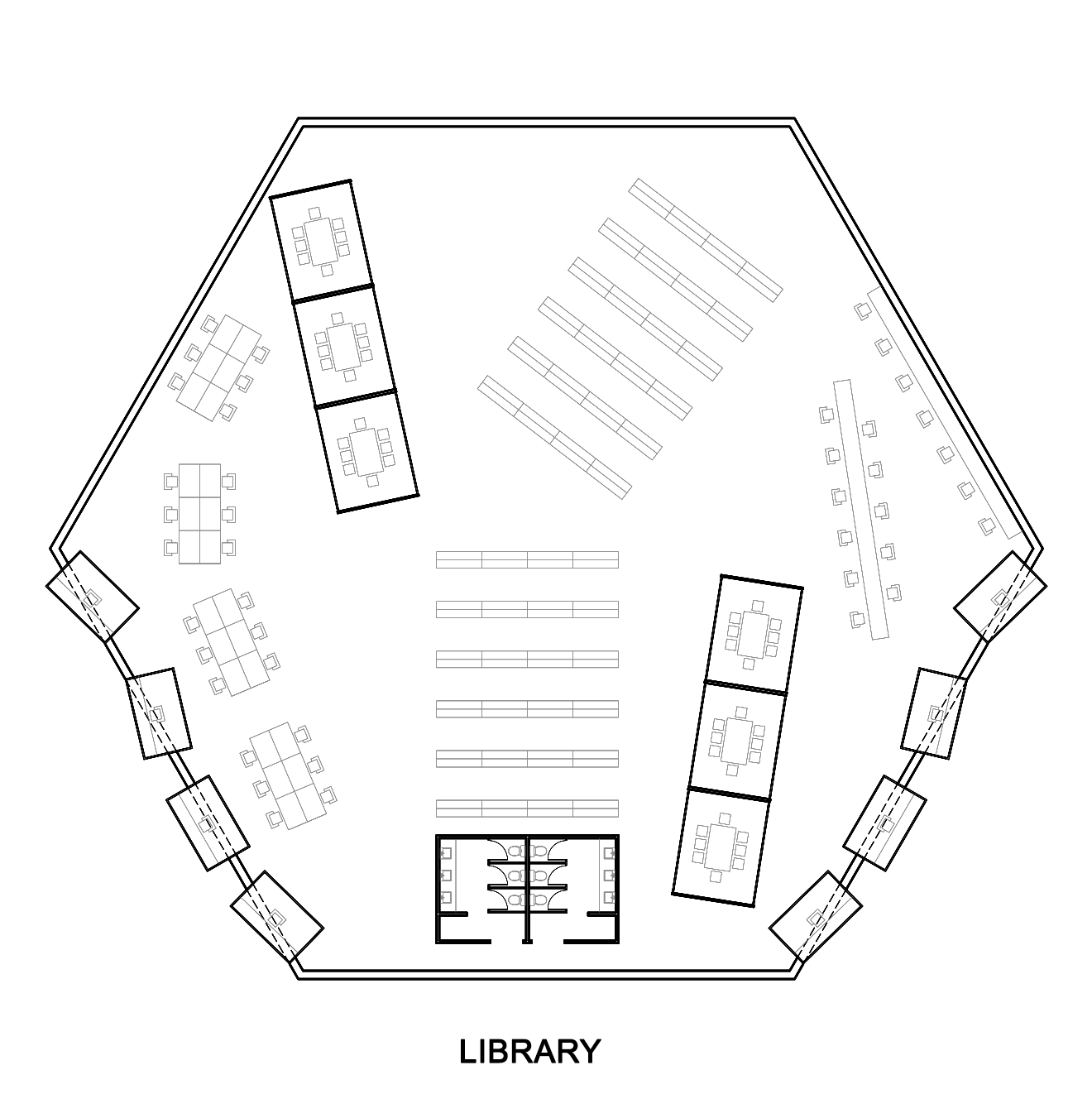
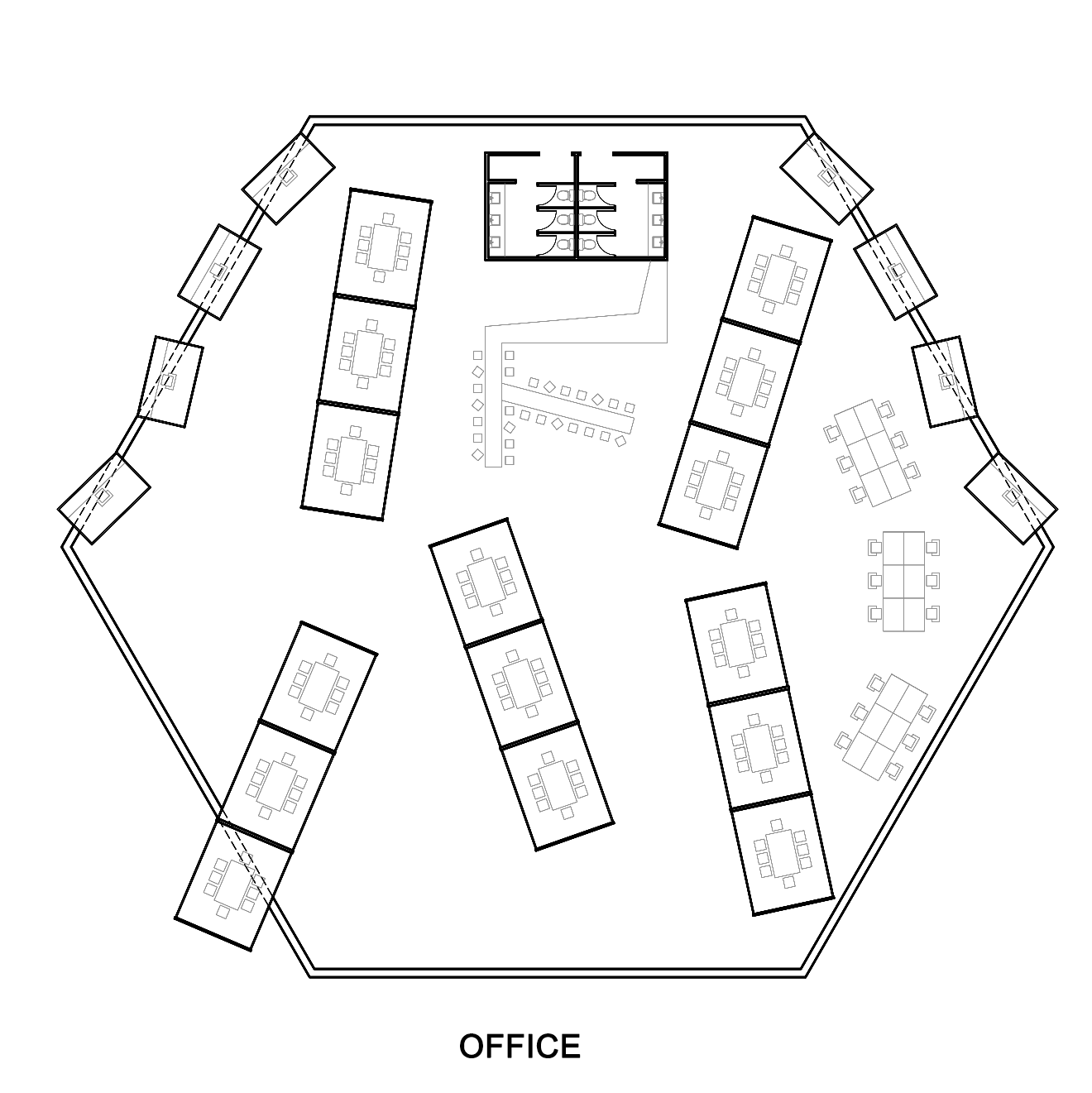
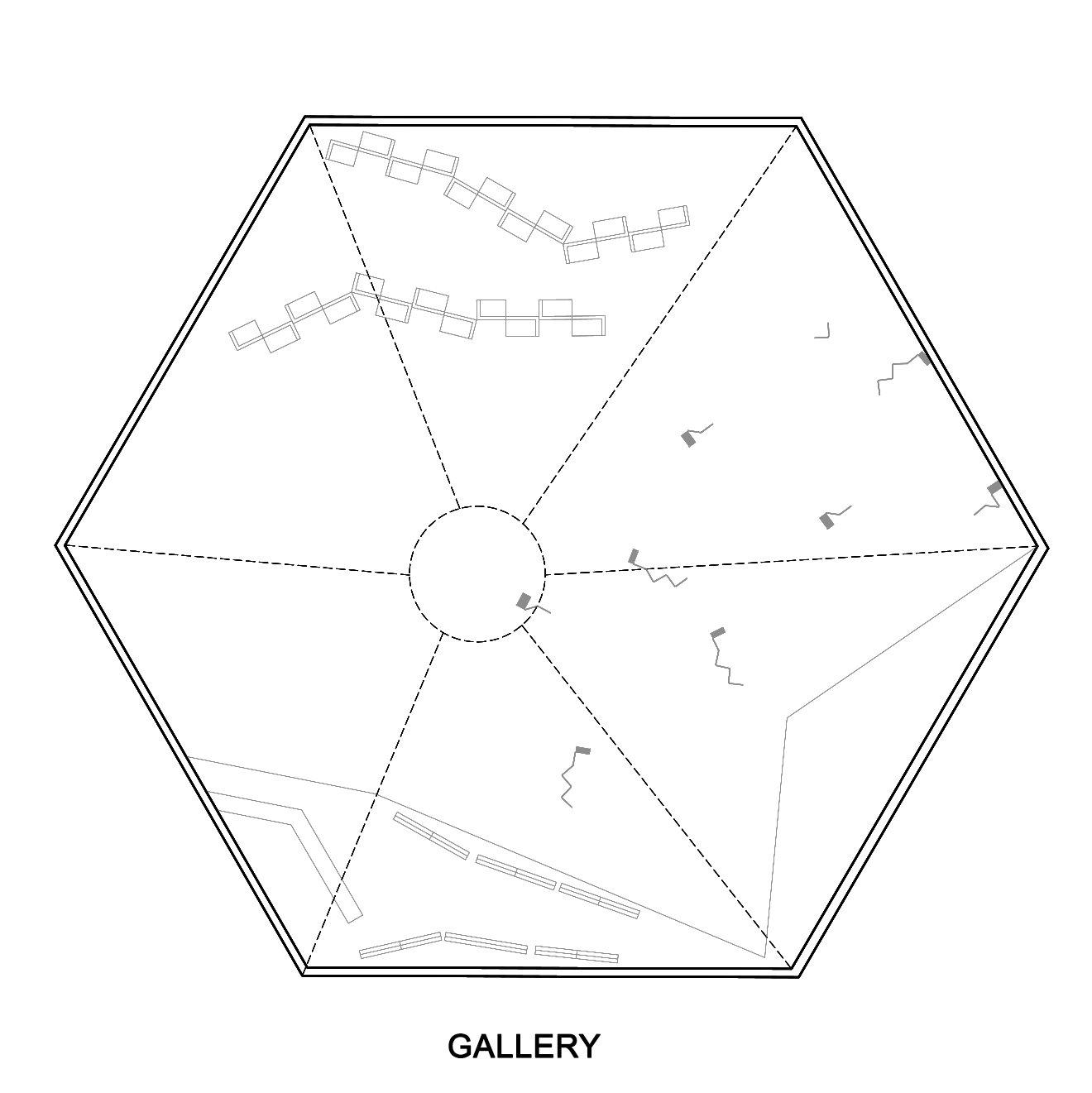
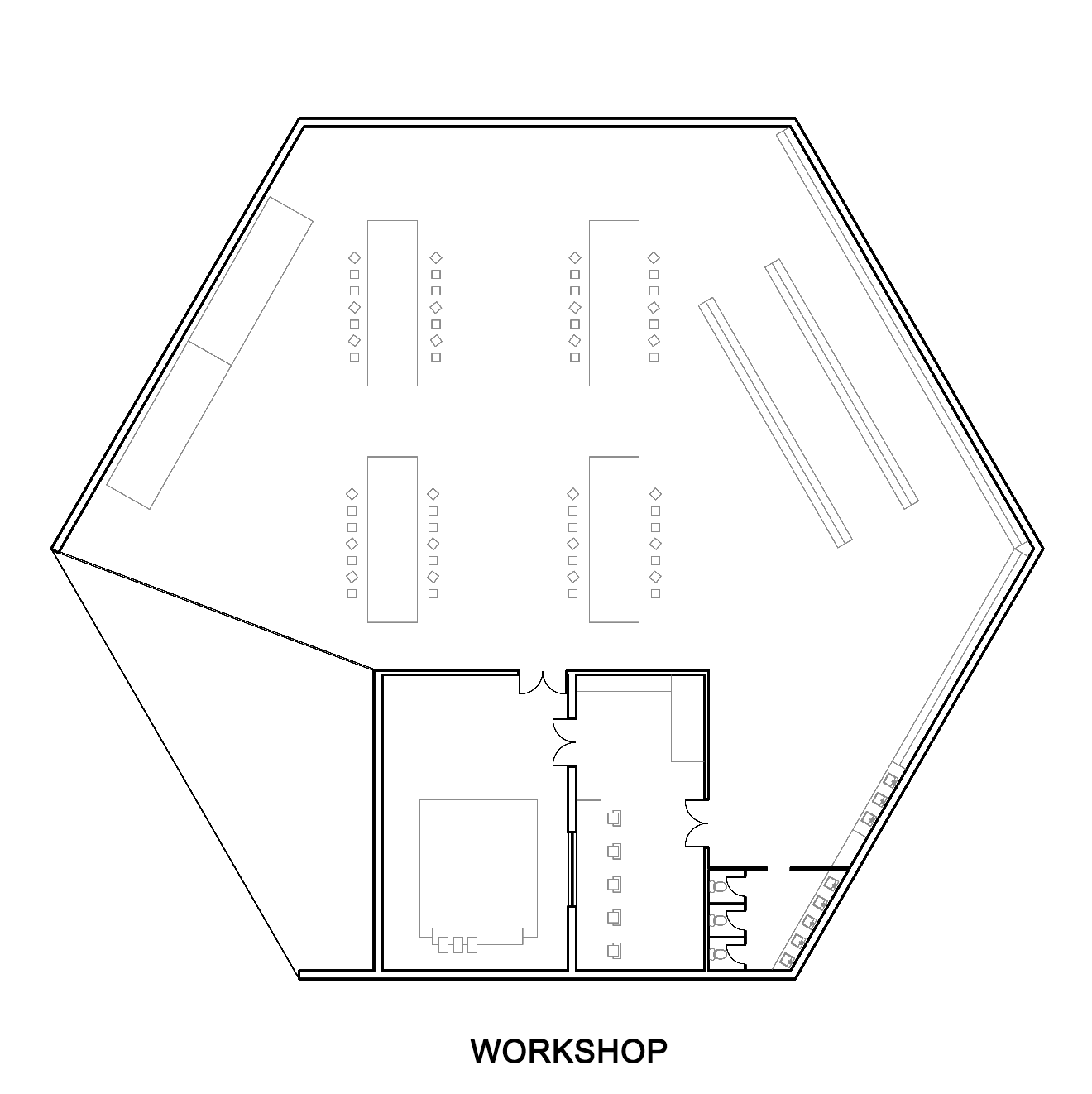
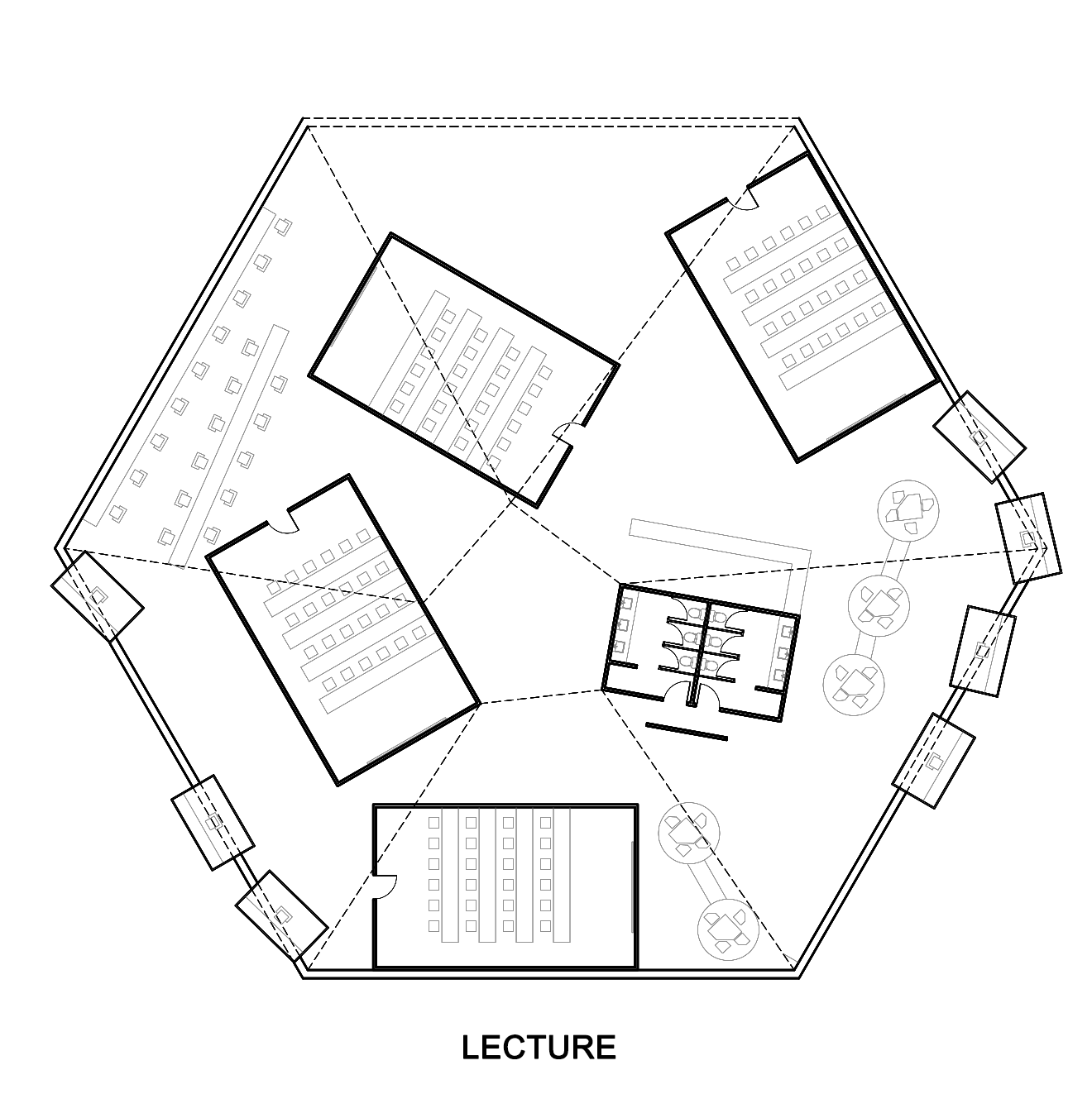
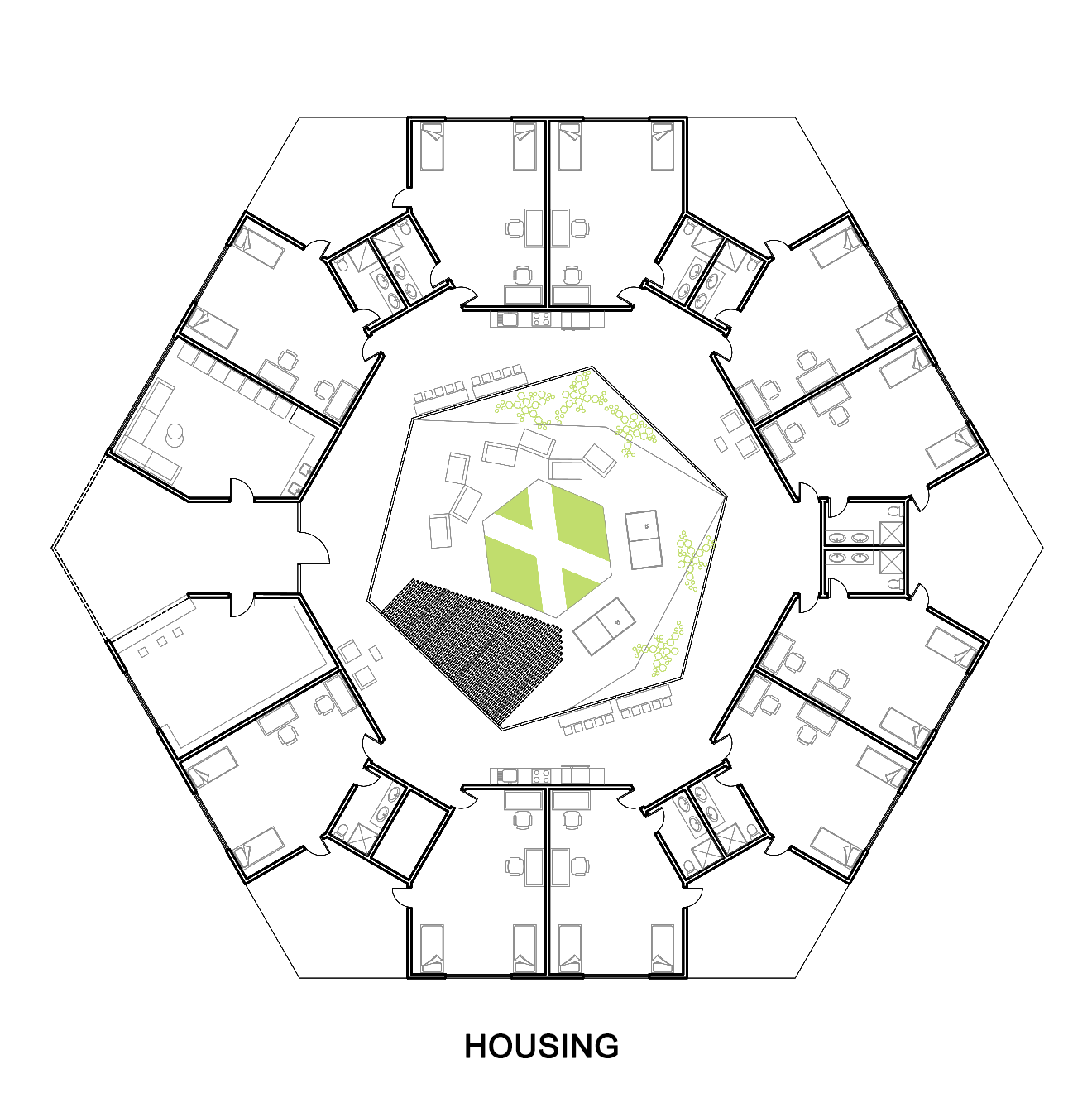
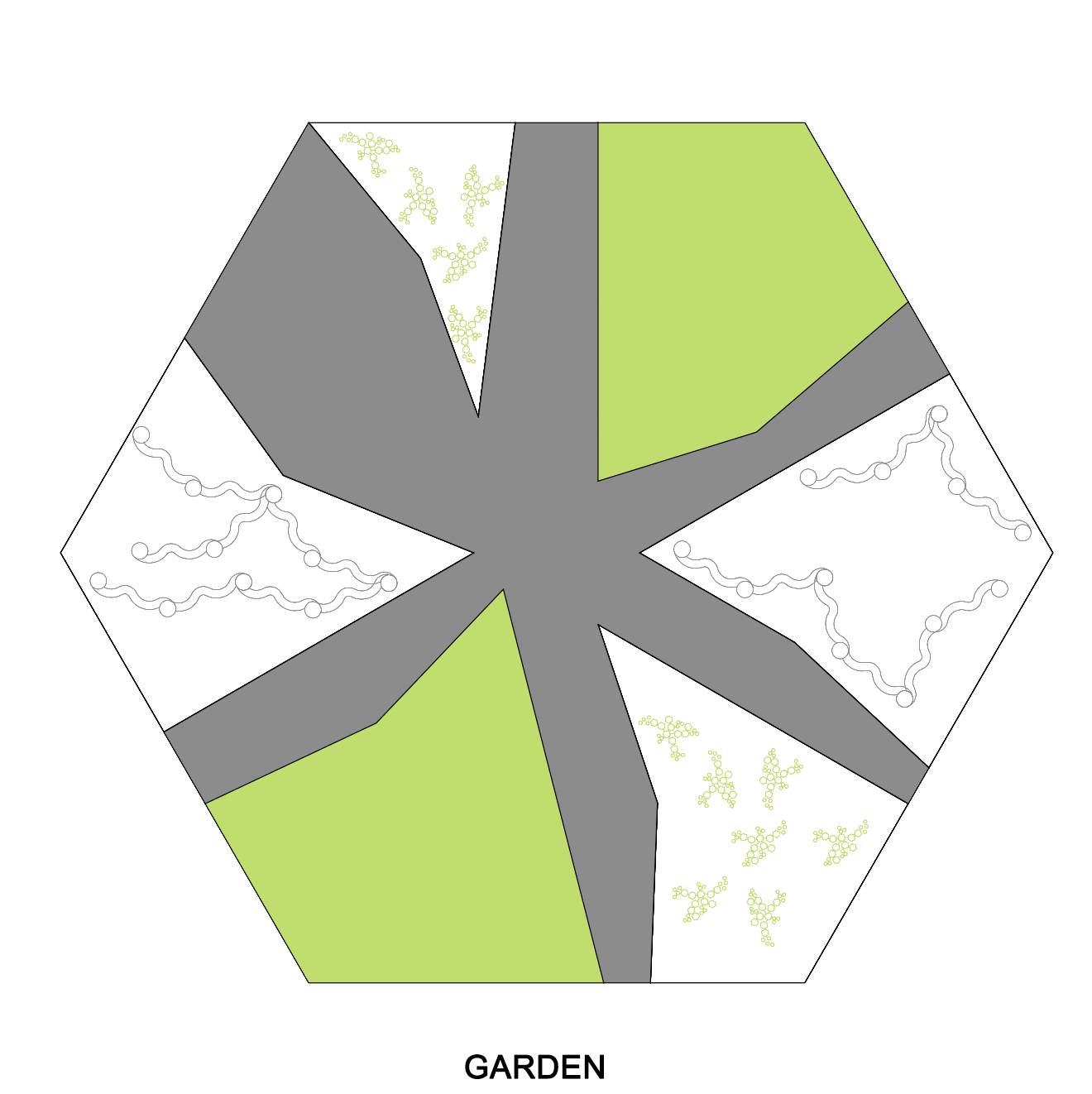
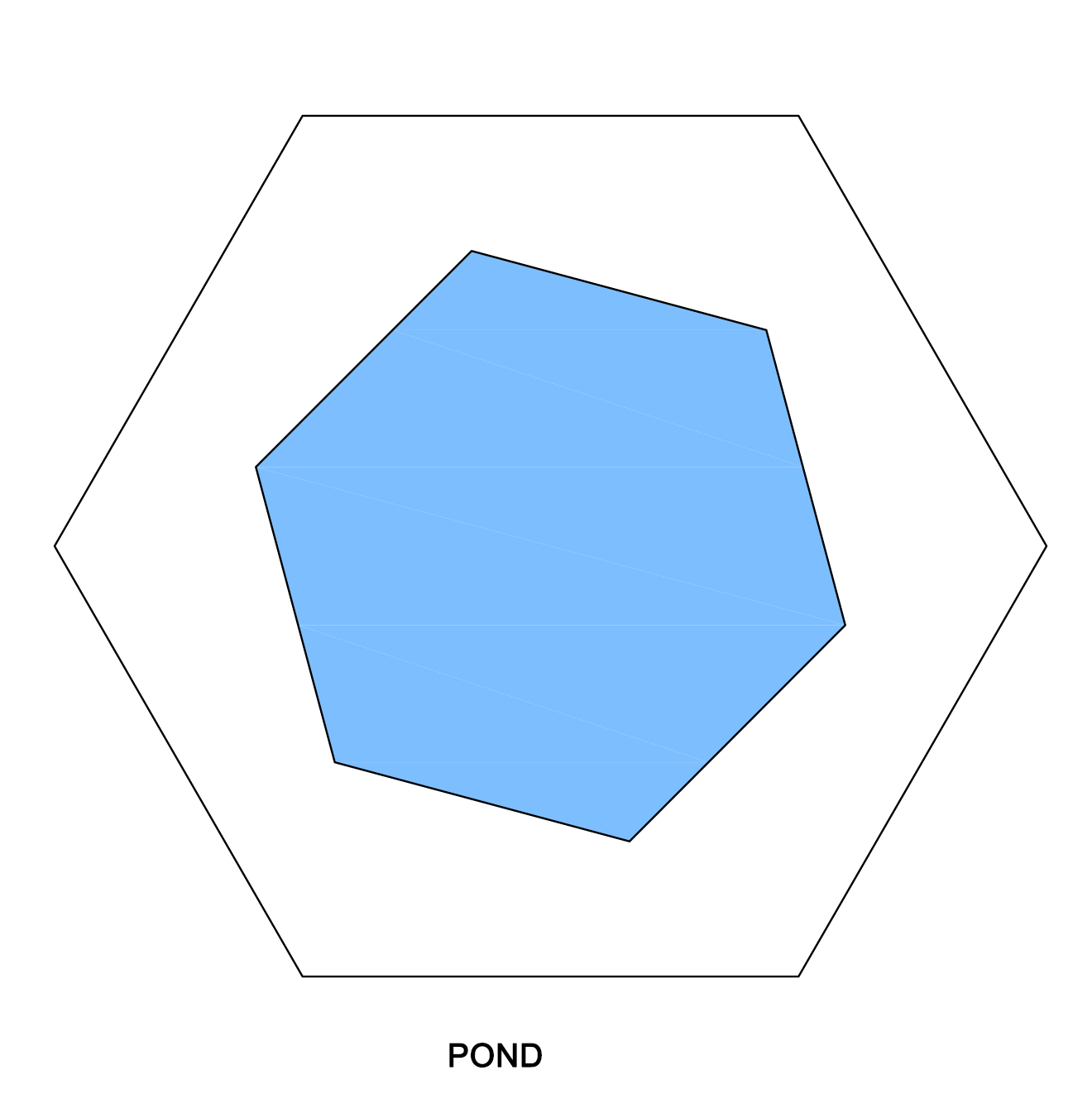
Rule 4: Group different program modules together and design the campus buildings. Modular buildings provides the opportunity to grow the campus as the demands arises.